


Montecristi · Pile · Ecuador
The finest hat in the world, made entirely by hand.
Domingo Carranza weaves each Montecristi Panama from a single toquilla palm, with no machine at any stage — up to forty weeks of work in a single hat.
Exhibited at MoMA, New York
The hat the Museum of Modern Art chose.
When MoMA exhibited the Panama hat in “Items: Is Fashion Modern?” (2017), the example it showed was woven by Domingo Carranza — from the village of Pile, Ecuador.
The Carranza storyThe collection
Choose your shape. Choose your fineness.
Seven shapes, each woven to order in any of seven grades of fineness. One listing per shape — the price follows the weeks at the loom, from $599 to $7,599.
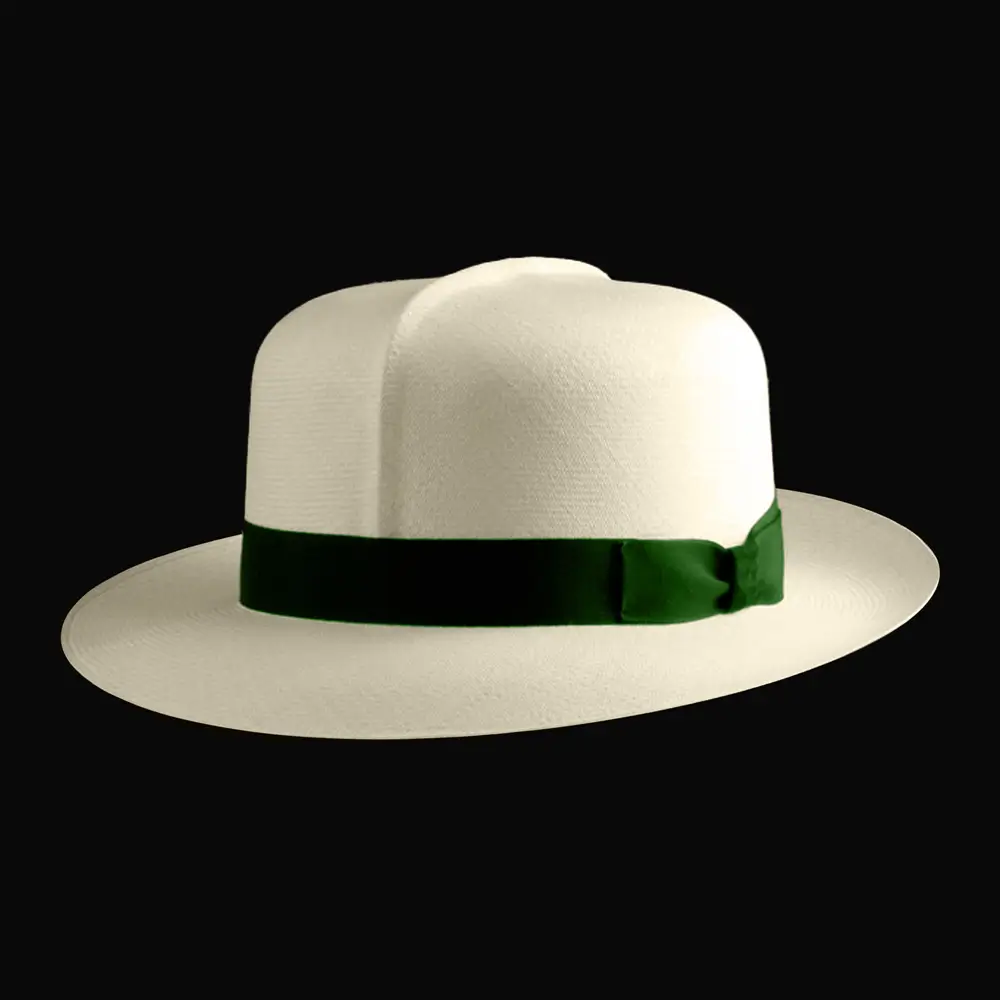
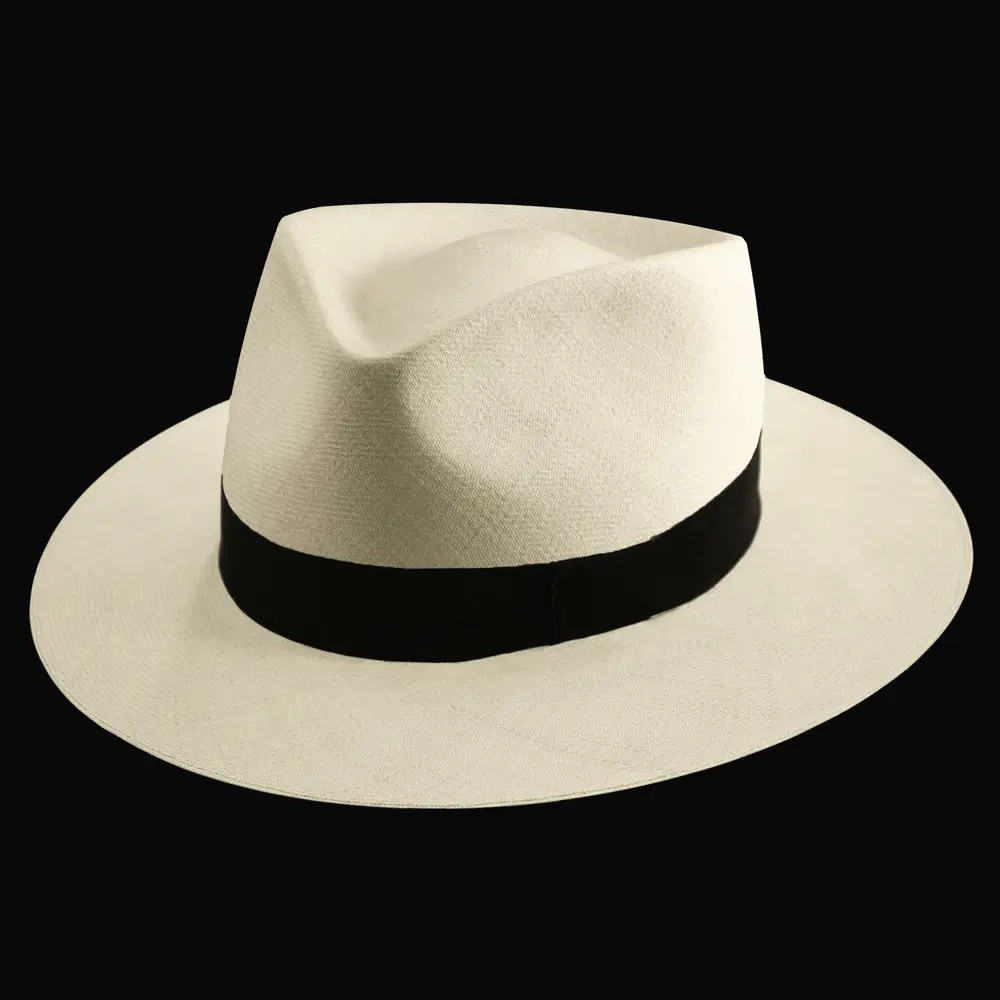
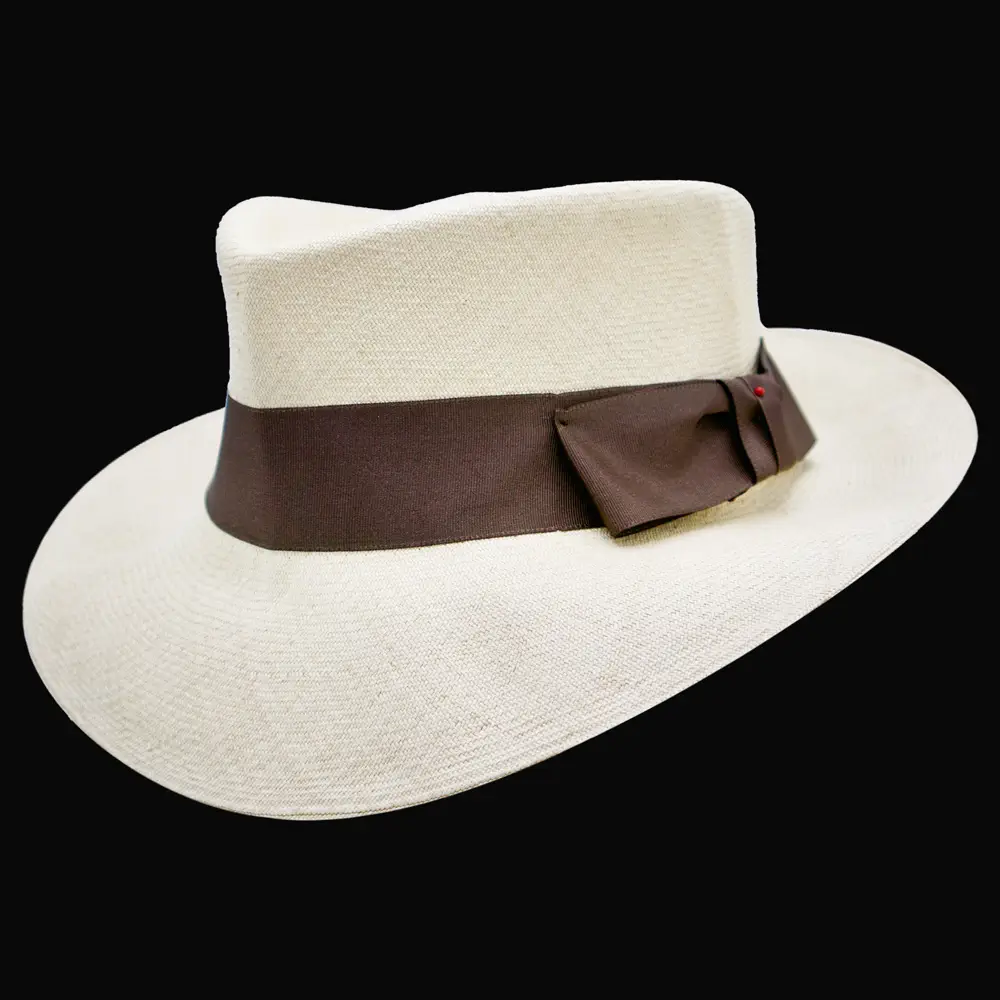
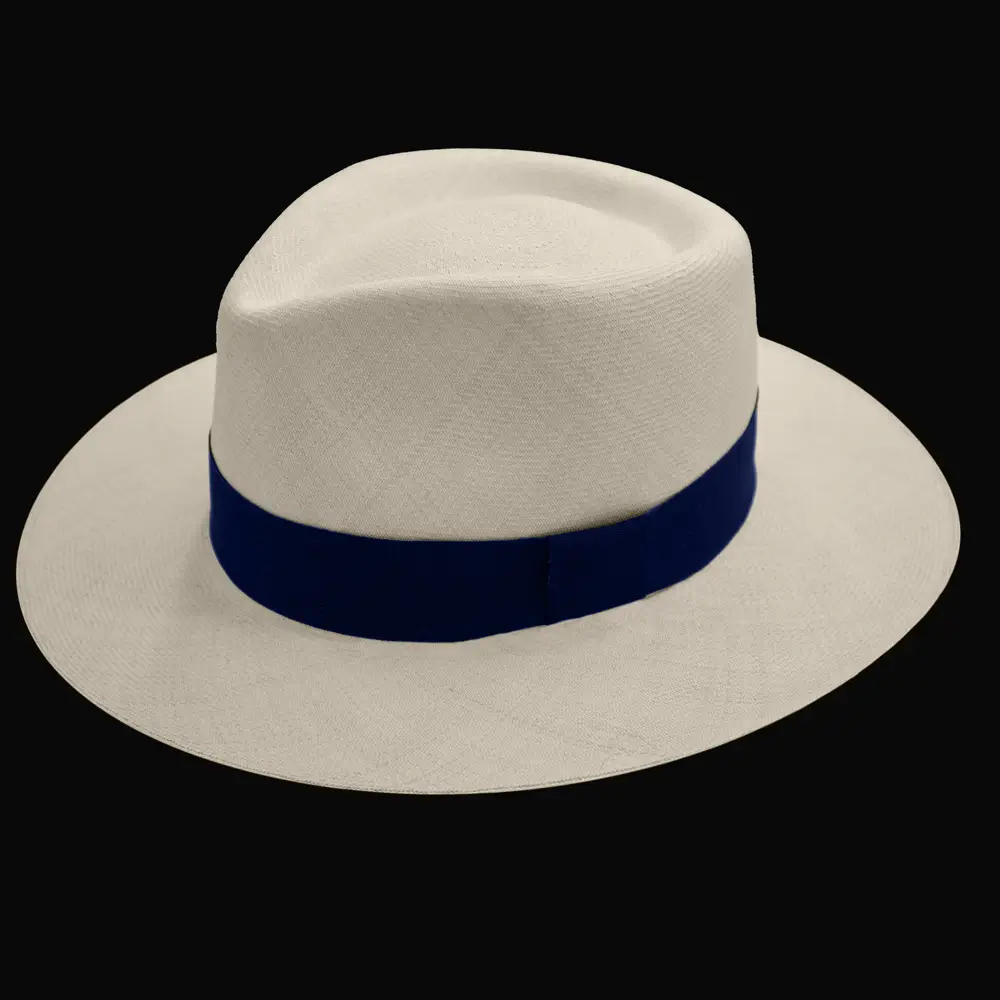
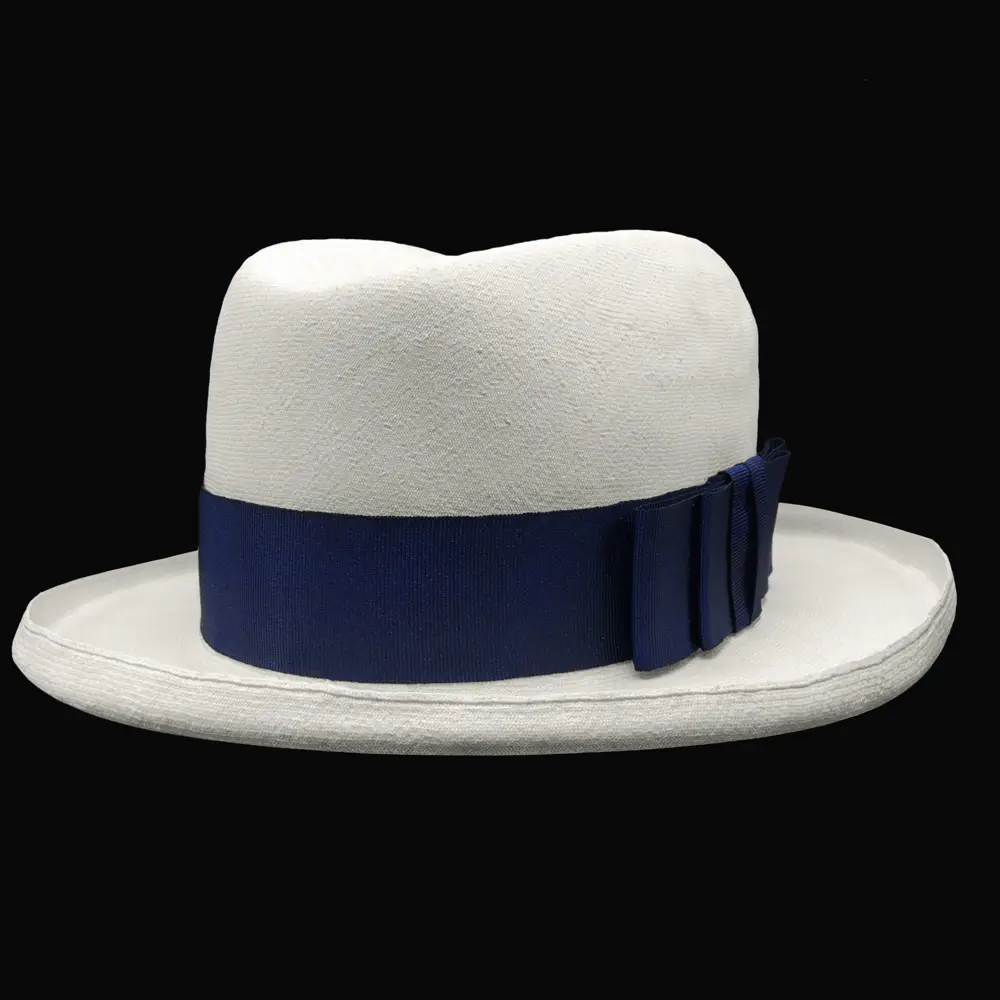
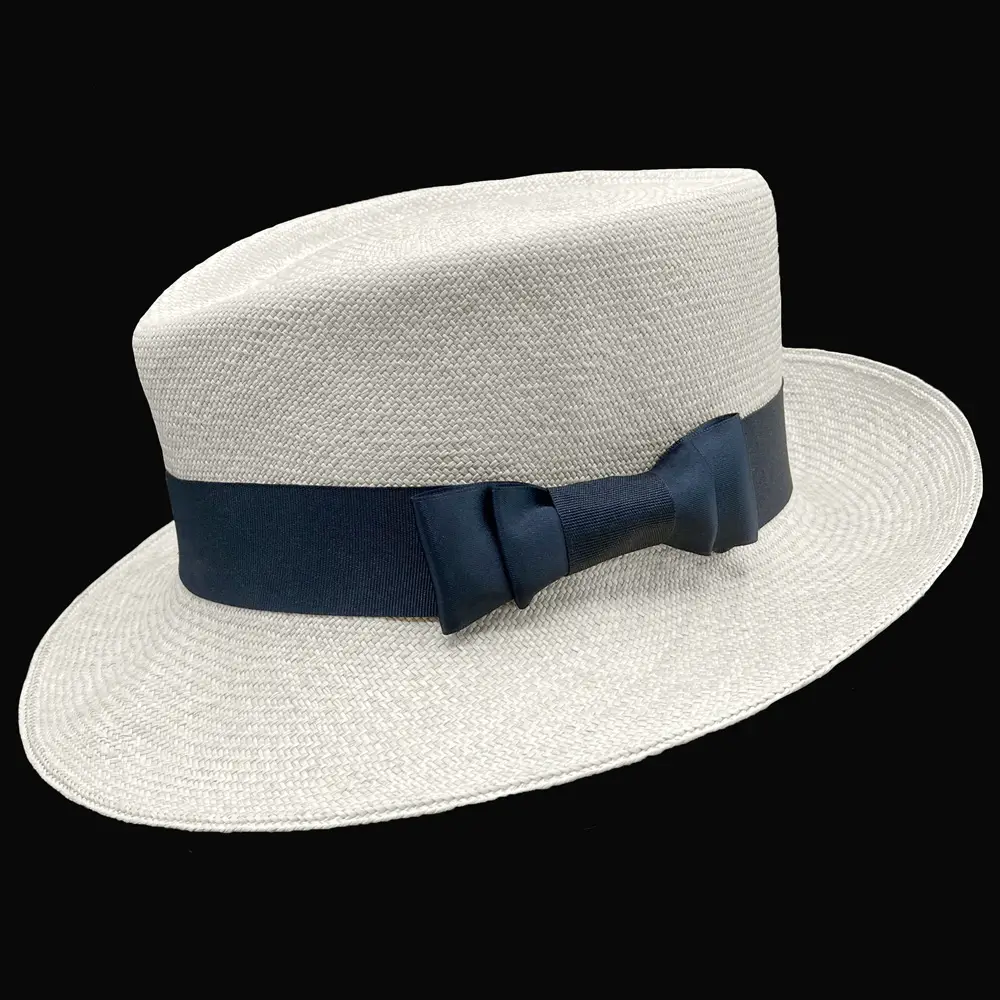
One hat, woven finer and finer
The difference is time.
Same shape, same hands — from a four-week Fine to a Jewel that takes nearly a year at the loom. Move across the grades to see what changes, and what it costs.
Fine
An even, honest weave — the authentic entry to a real Montecristi.
Pile
Tighter and finer — named for the village itself.
Manabí
A close, refined grain that catches the light.
SuperFine
Cloth-like suppleness and a near-flawless surface — many collectors’ ideal balance.
ExtraFine
Astonishing density — nearly half a year in a single hat.
MoMA
Museum-grade fineness — of the calibre exhibited at the Museum of Modern Art in New York.
Jewel
The finest ever woven — nearly a year of one master’s hands.
A second craft · fur felt
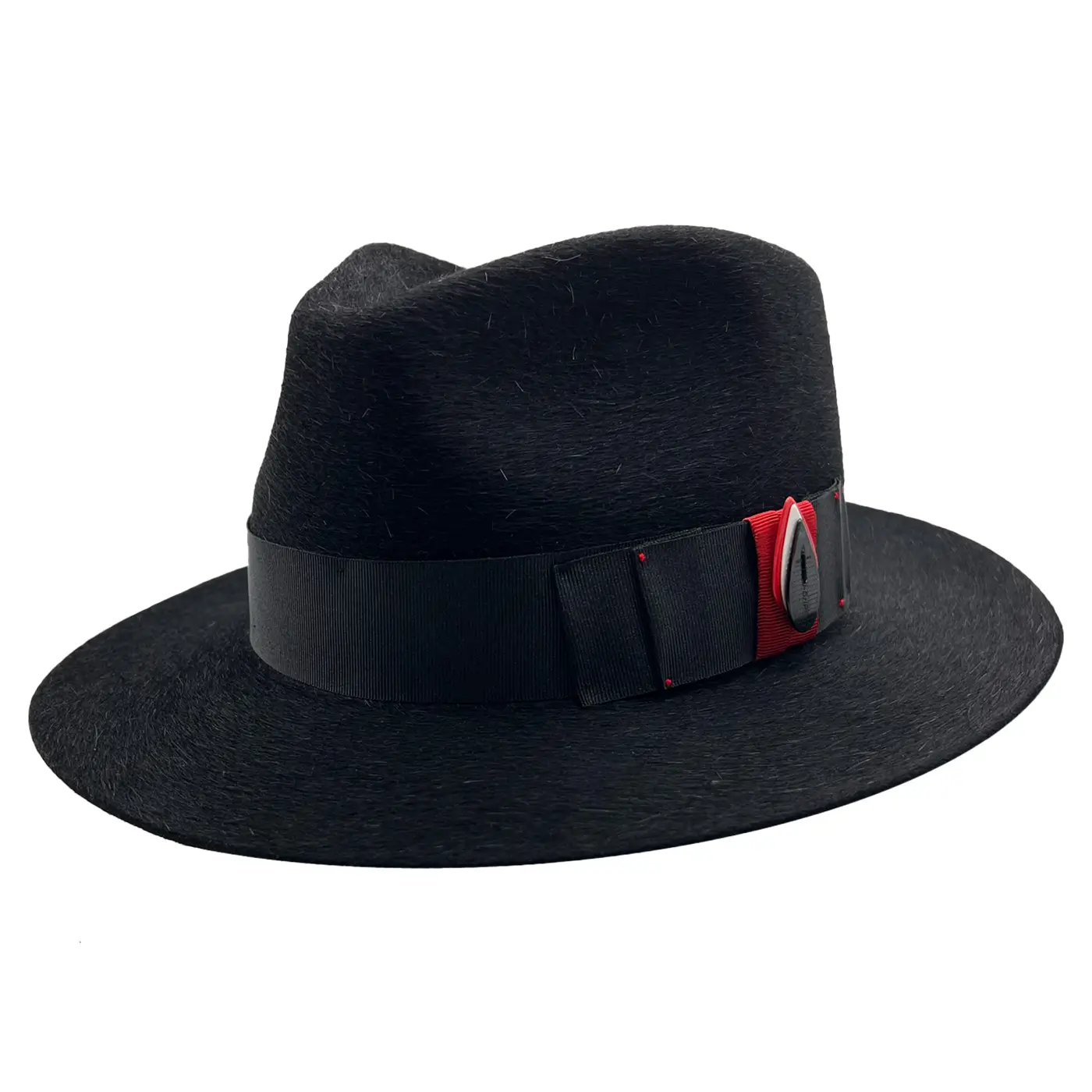
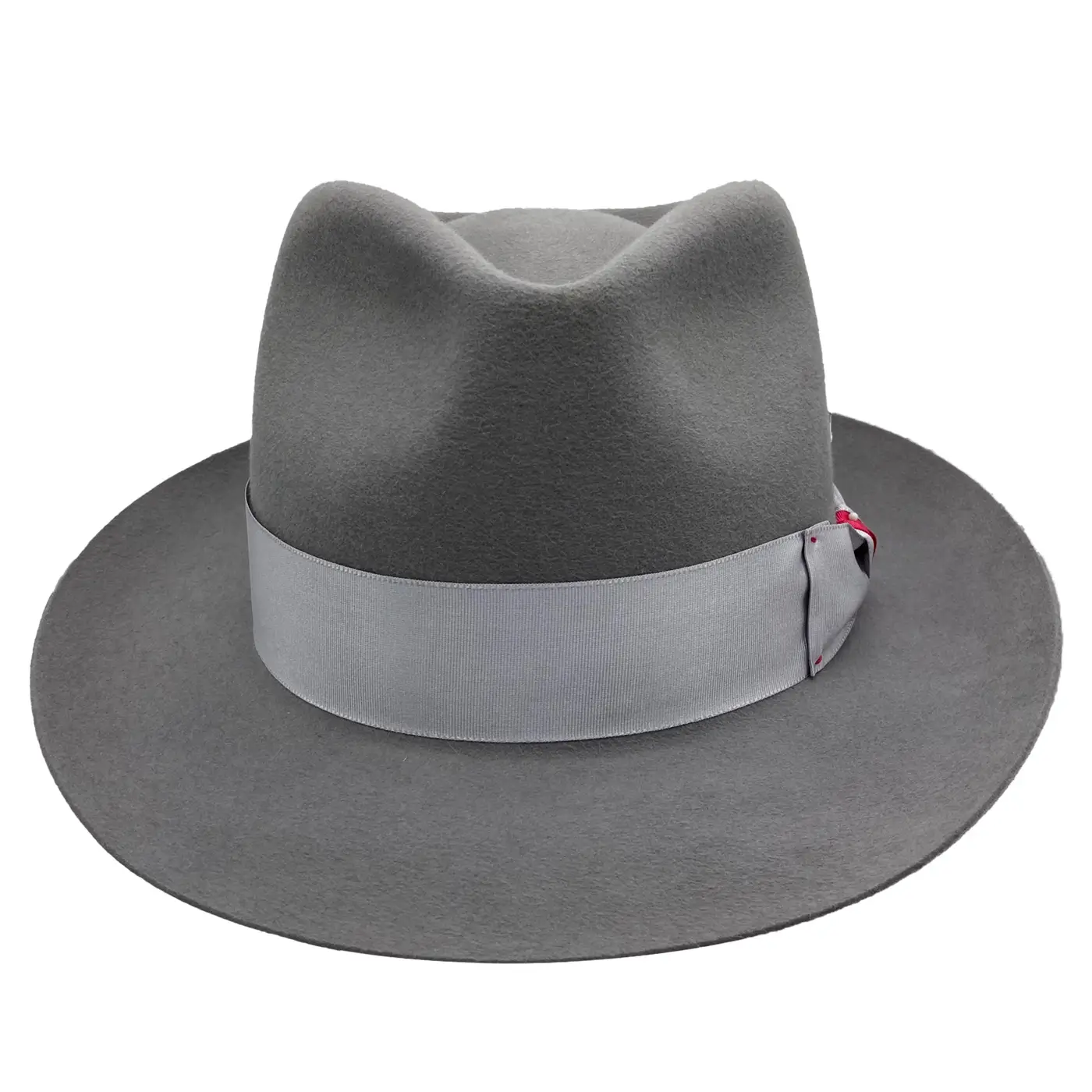
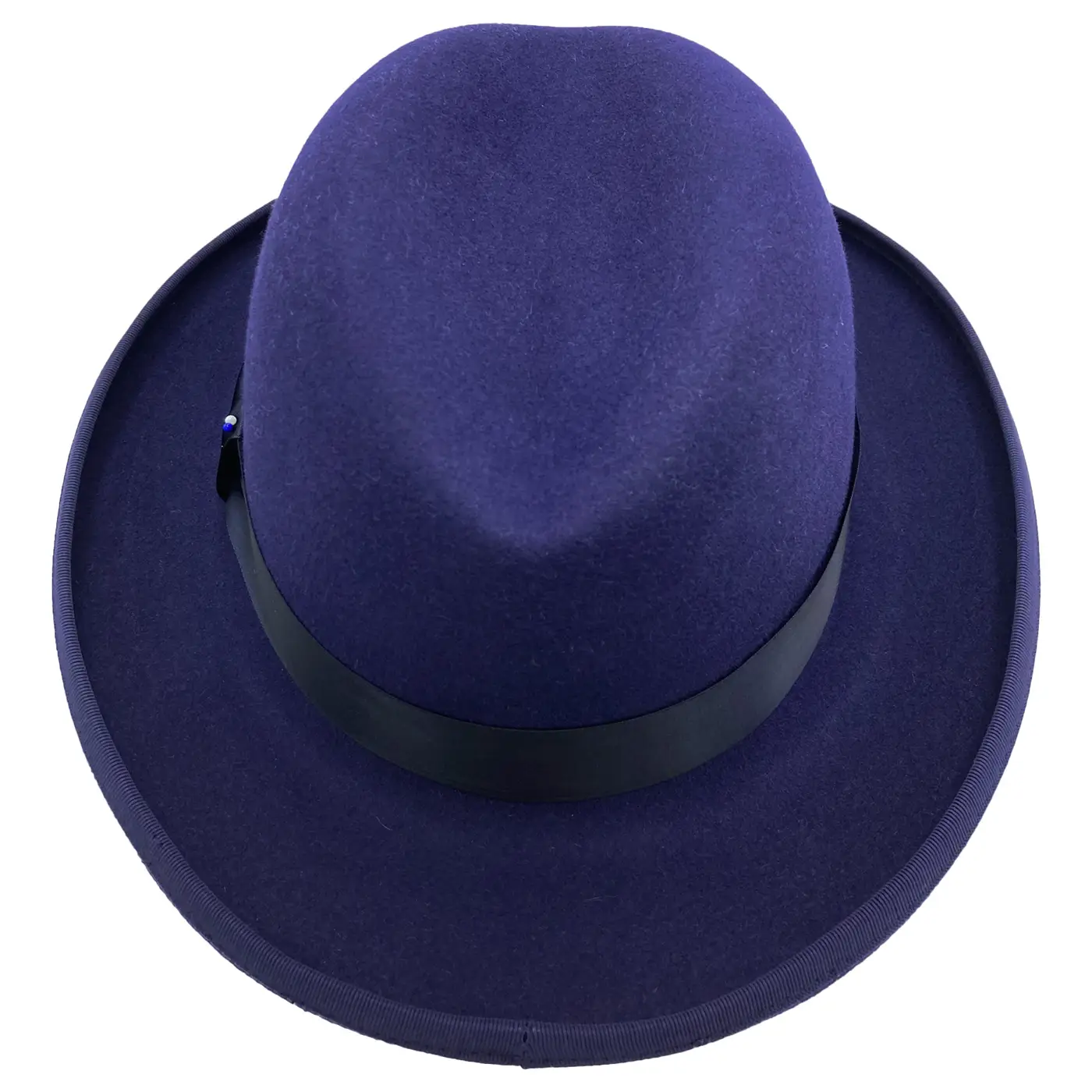
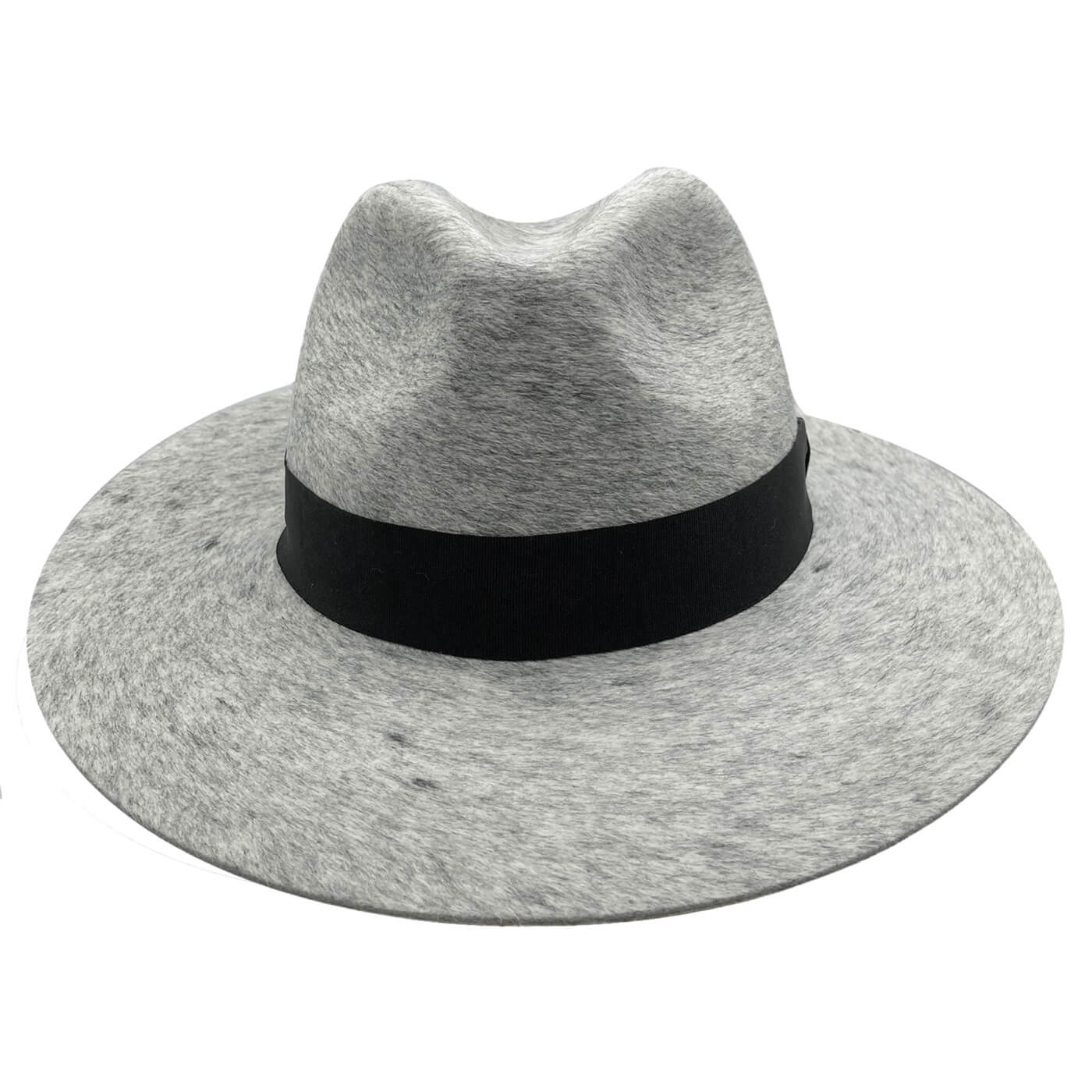
For colder days — the fur felt line.
When the season turns, Domingo hand-blocks premium Beaver 100X fur felt — the same maker, a different material, in a range of colors.


The craft
From a single palm to a finished hat.
Every hat passes only through human hands — no machine at any stage. First the toquilla straw is prepared in five steps; then the Montecristi hat is woven in ten.
Toquilla straw · five steps
Softening
The harvested toquilla shoots are split and softened by hand.
Boiling
Boiled to set the fiber and bring out its natural color.
Bleaching
Whitened gently with sulphur to an even ivory tone.
Moon-drying
Dried under the moon — never harsh sun — so it stays supple.
Separating
Split again and again into the finest weavable strands.
Montecristi Panama hat · ten stages
El Cangrejo
The starting rosette at the center of the crown — where the weave is born.
La Plantilla
Setting the crown’s foundation pattern and tension.
Copa y Ala
Weaving outward — first the crown, then the brim.
Doble punto de cierre
The double closing stitch that secures the brim’s edge.
Despeluzado
Trimming away every loose strand from the woven body.
Azocado
Tightening the weave so the straw sits perfectly even.
Vaporizado y golpeado
Steamed and gently beaten to compact and smooth the weave.
Tumbar
Laying and flattening the hat before it takes its shape.
Bloqueado y prensado
Blocked and pressed by hand into its final form.
Personalización
Ribbon, sweatband and size — the maker’s finishing touch.
Pile, Ecuador · since 1878
Six generations of master weavers.
Woven in Pile — the village that produces the finest Montecristi hats on earth, whose weaving was shown at MoMA in New York in 2017 and recognized by UNESCO as Intangible Cultural Heritage in 2012.
Unfortunately the world calls it the “Panama” hat. It never was. It is, and always has been, Ecuadorian — and the finest of it comes from one family’s loom.
The journal
Notes from the workshop.
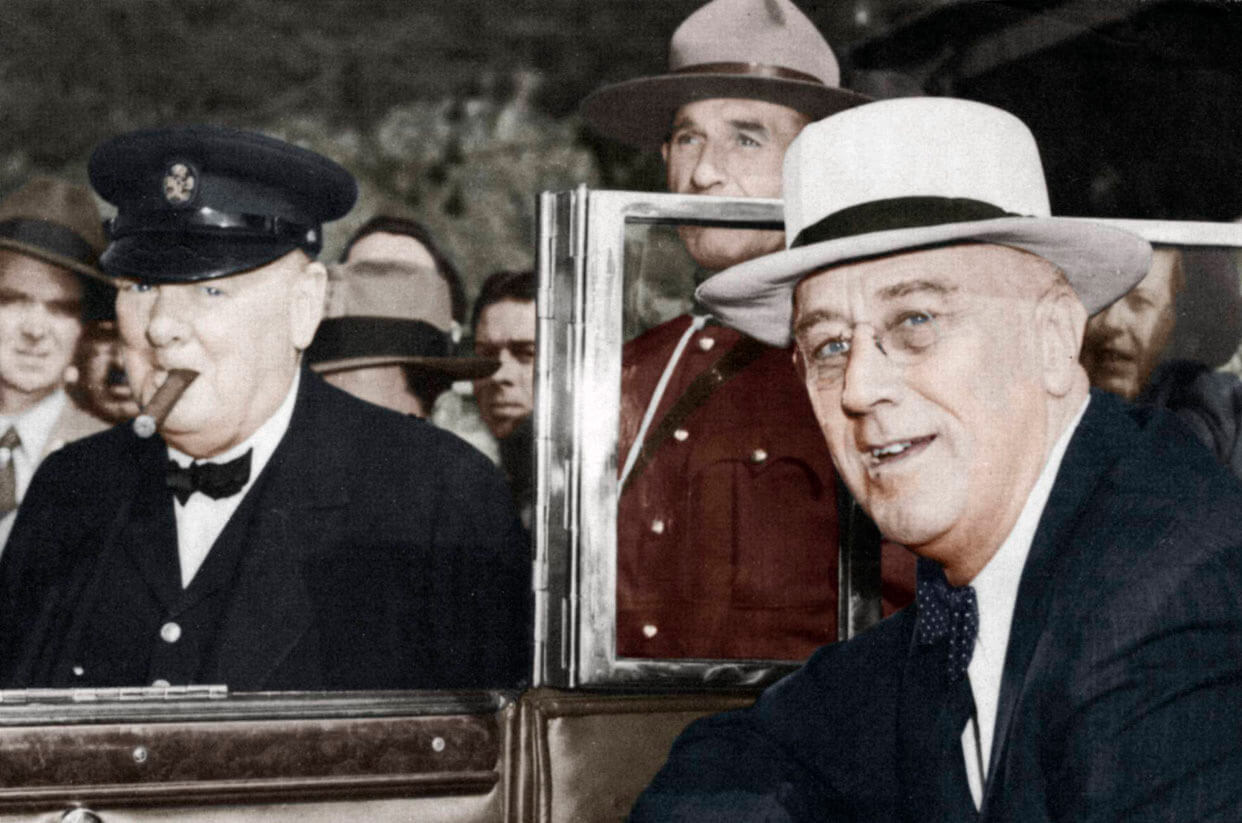
The History of the Montecristi Panama Hat
From the Andean looms to the heads of presidents — the true story of the “Panama” hat.
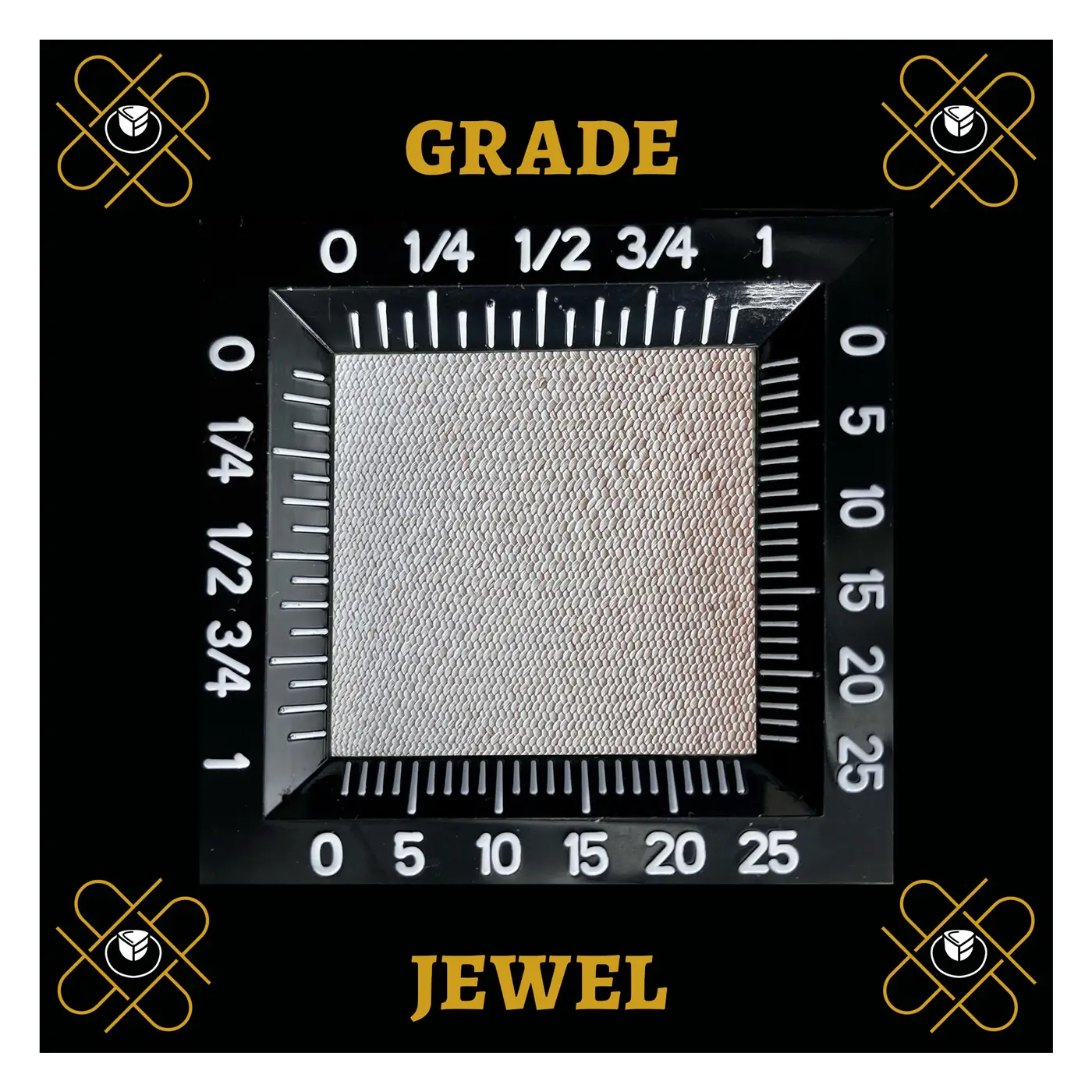
About the Grade of a Montecristi
What separates a four-week Fine from a year-long Jewel, grade by grade.
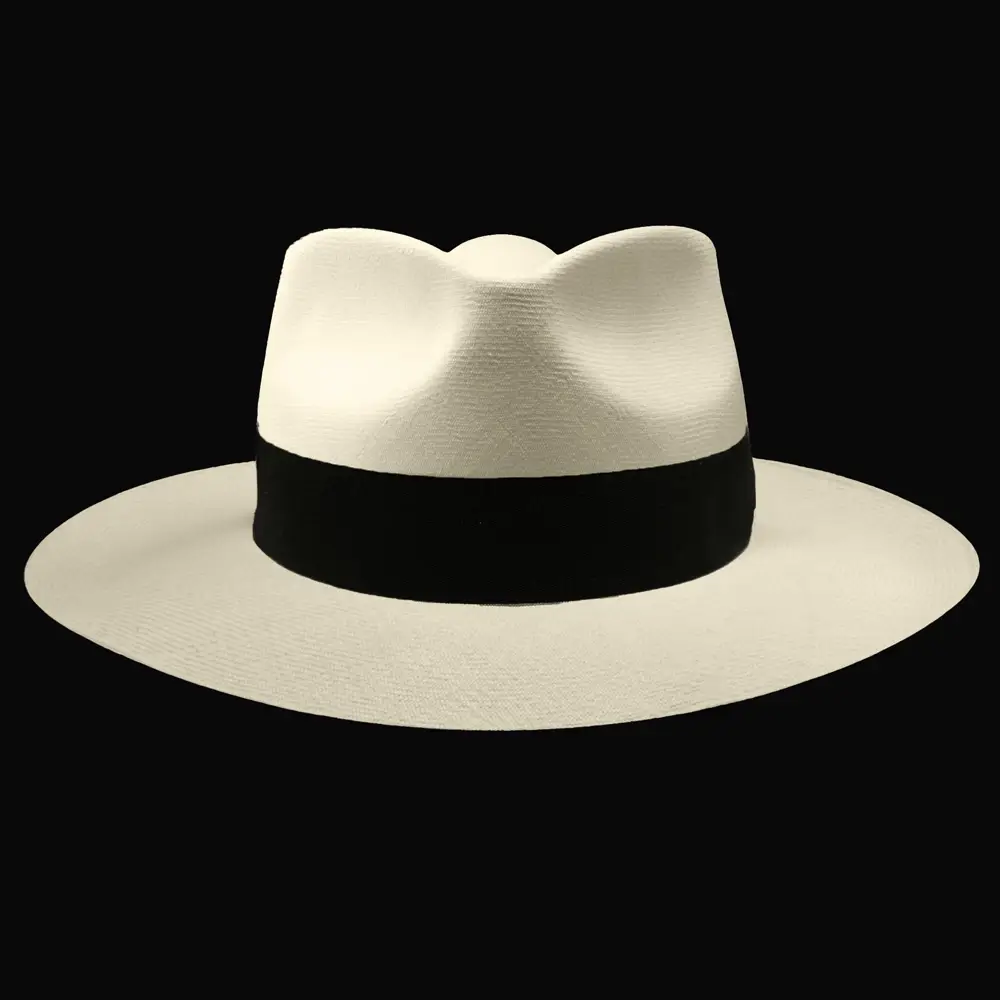
Panama Hat vs. Fedora: What’s the Difference?
One is a handwoven straw hat, the other is a shape — which to wear, and when.
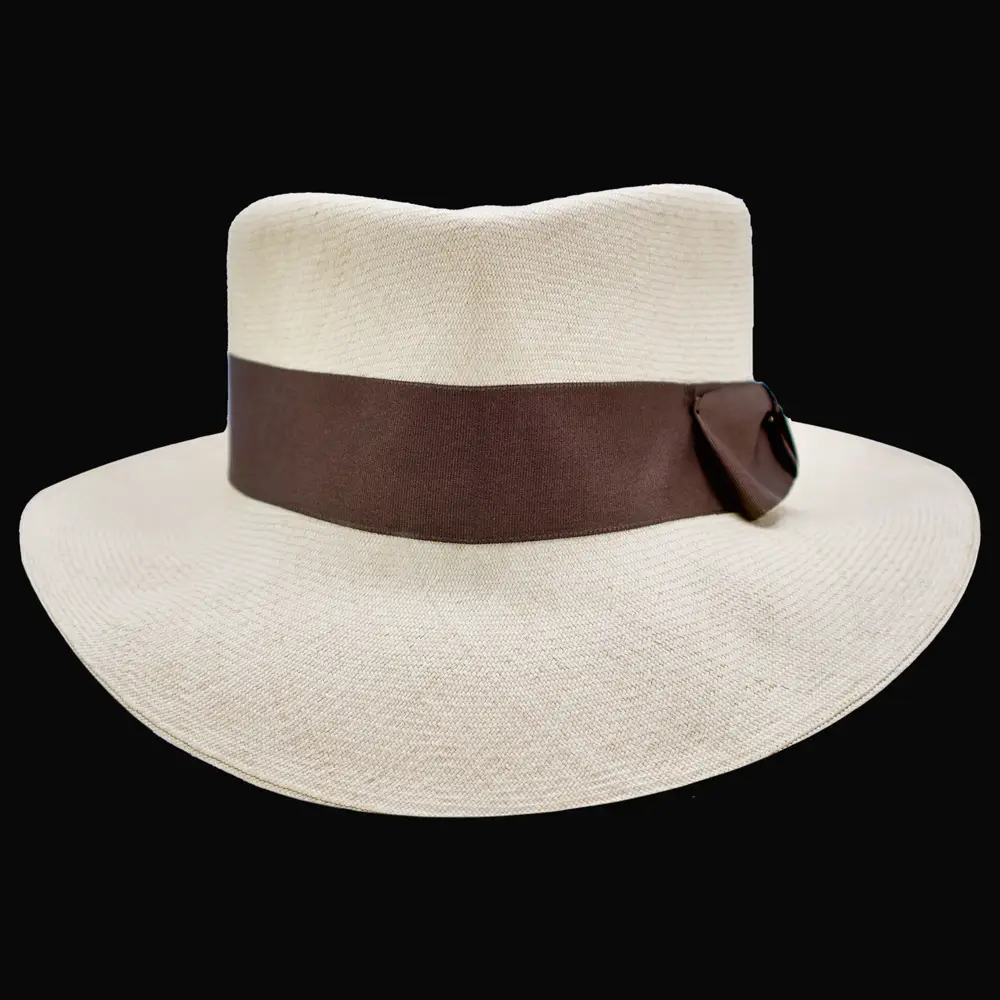
How to Buy an Authentic Montecristi in the USA
How to recognize a real handwoven Montecristi — and avoid the imitations.
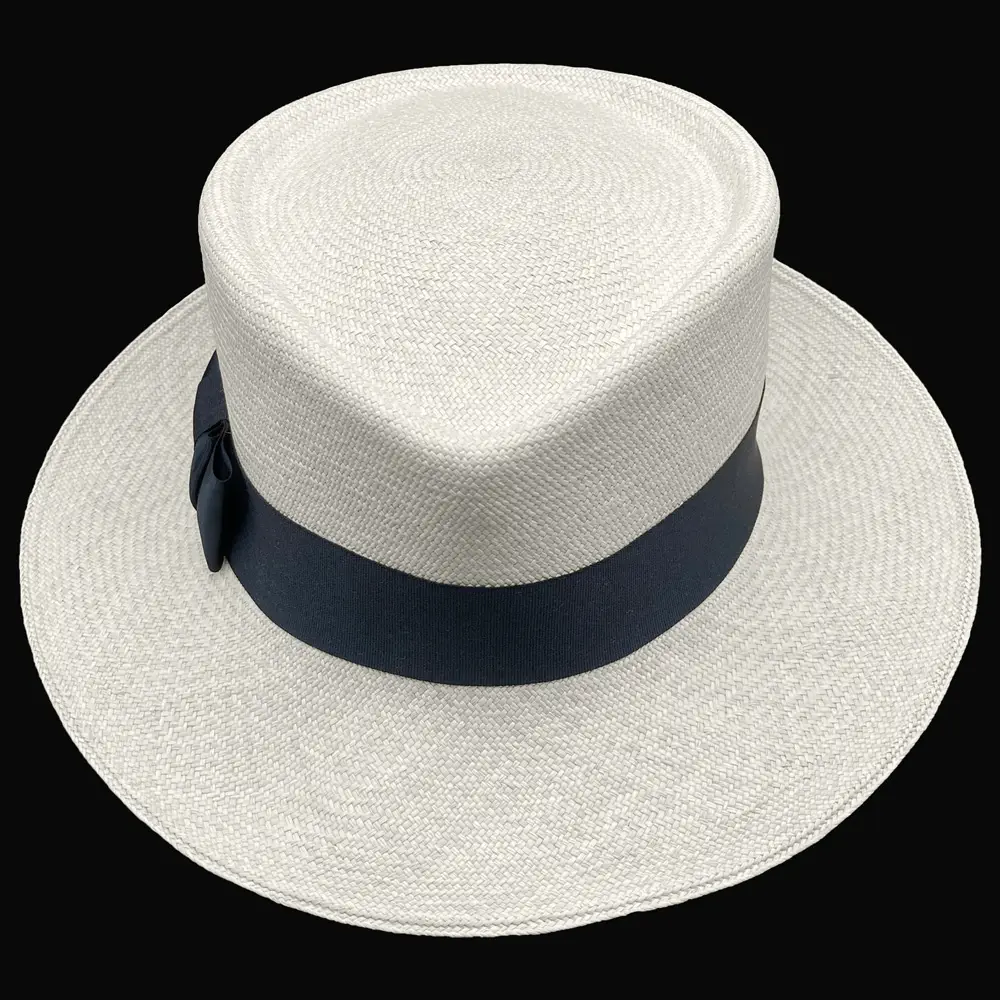
The Panama Hat Guide to the Kentucky Derby
From Churchill Downs to a summer wedding — choosing your Panama for the occasion.
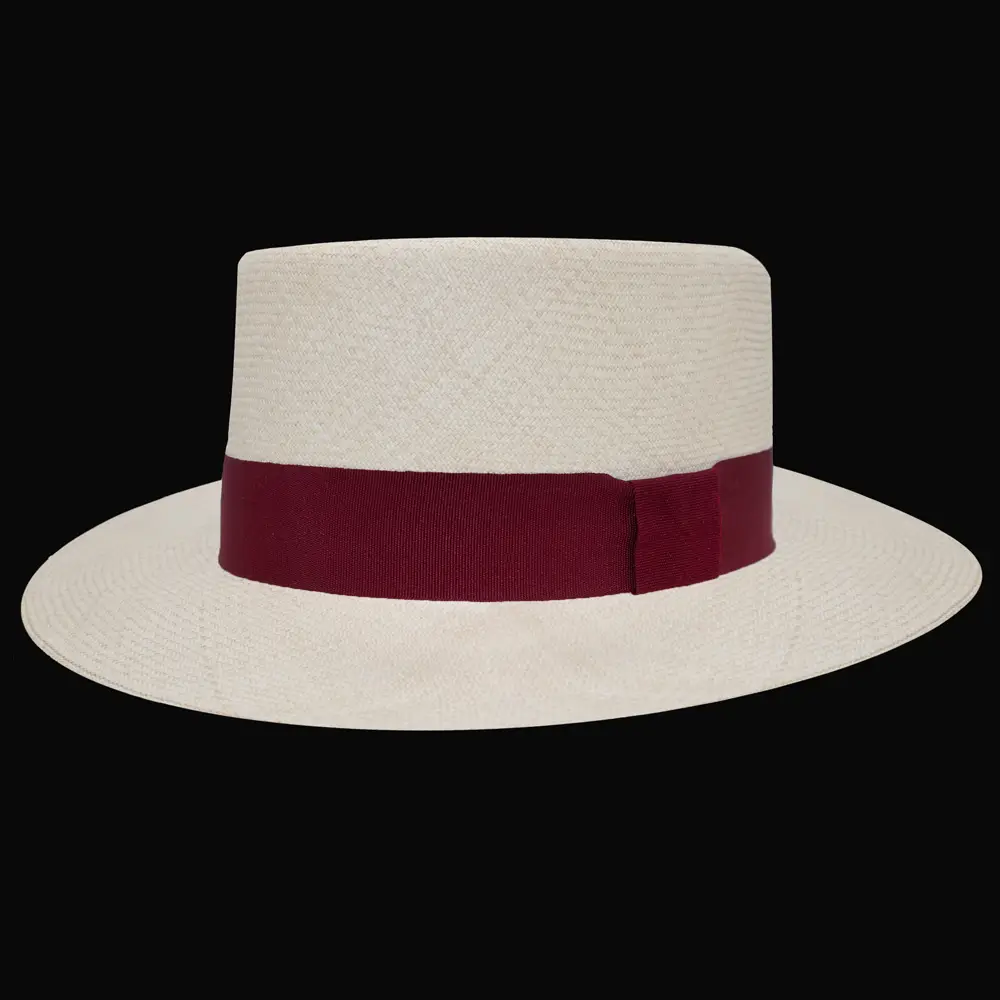
How Much Does a Real Panama Hat Cost?
From a four-week Fine to a year-long Jewel — what a handwoven hat really costs, and why.
Stay close to the loom
Be first to see new pieces.
A few letters a year — new weaves as they come off the loom, and the stories behind them.
